According to the United Nations, the planet's global population is expected to reach 9.6 billion by 2050

 As population rises, demand for food, energy and income increases. Increasing population coupled with land degradation aggravates challenges of crop production – consequently, arable land per capita declines while land degradation increases through overuse of land resources.

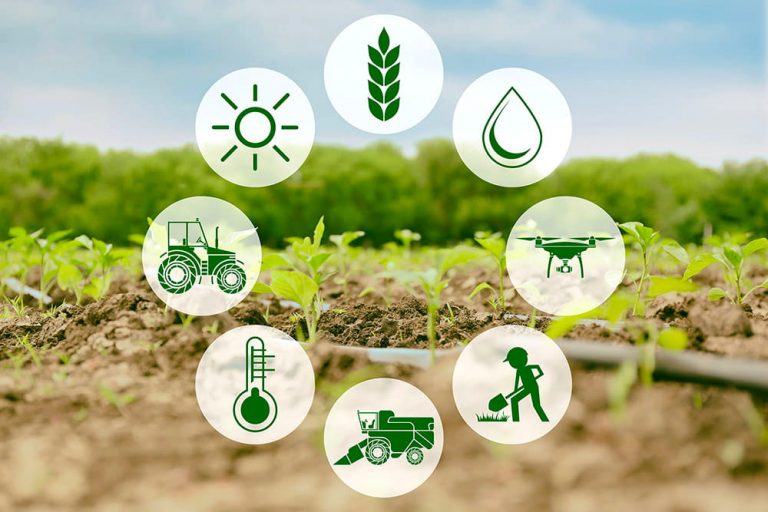
Smart Agriculture

Agriculture is one of the most important sectors of the economy, and the efficient use of opportunities provided by technological advancements has always been the foundation for sustainable growth and development of this industry.

The existing agricultural land is unable to feed the growing population and thus many countries remain trapped in a vicious circle of poverty, disease and hunger. Rising in food prices, unemployment, lack of pasture for livestock, and intensive removal of natural vegetation aggravates food shortages.

The usage of technologies like Internet of Things, sensors, location systems, robots and artificial intelligence on your farm. The ultimate goal is increasing the quality and quantity of the crops while optimizing the human labor used.
Smart Cities

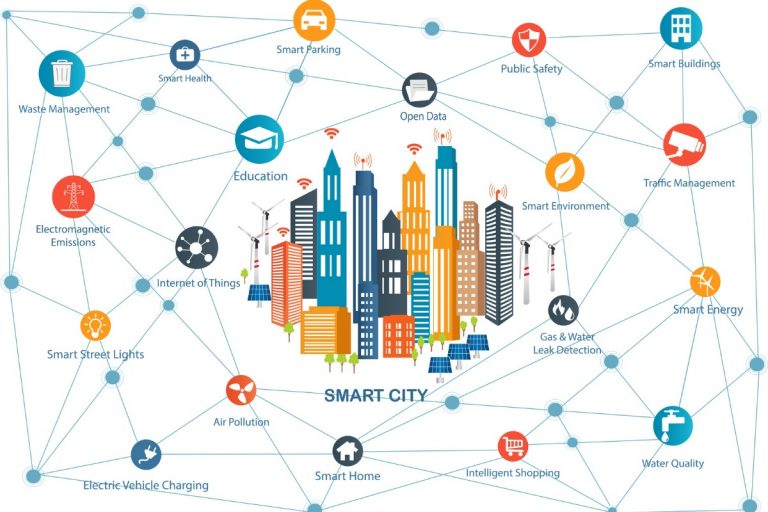
Cities need better planning and infrastructure if they have to be energy efficient and environmentally friendly to provide a good quality of life. In other words, cities need to become smart cities! This is possible using a combination of the Internet of Things with sensors collecting data and machine learning implementing the insights obtained from the data.

Cities need to adapt to the demands of growth. At the heart of a well-run City, technology helps to improve lives of all the citizens who live in it. Management of failed infrastructure, monitoring air quality, minimizing traffic congestion, speed of repairs to infrastructure like street lights and traffic lights are just some of the benefits of implementing IoT.

Smart Transportation

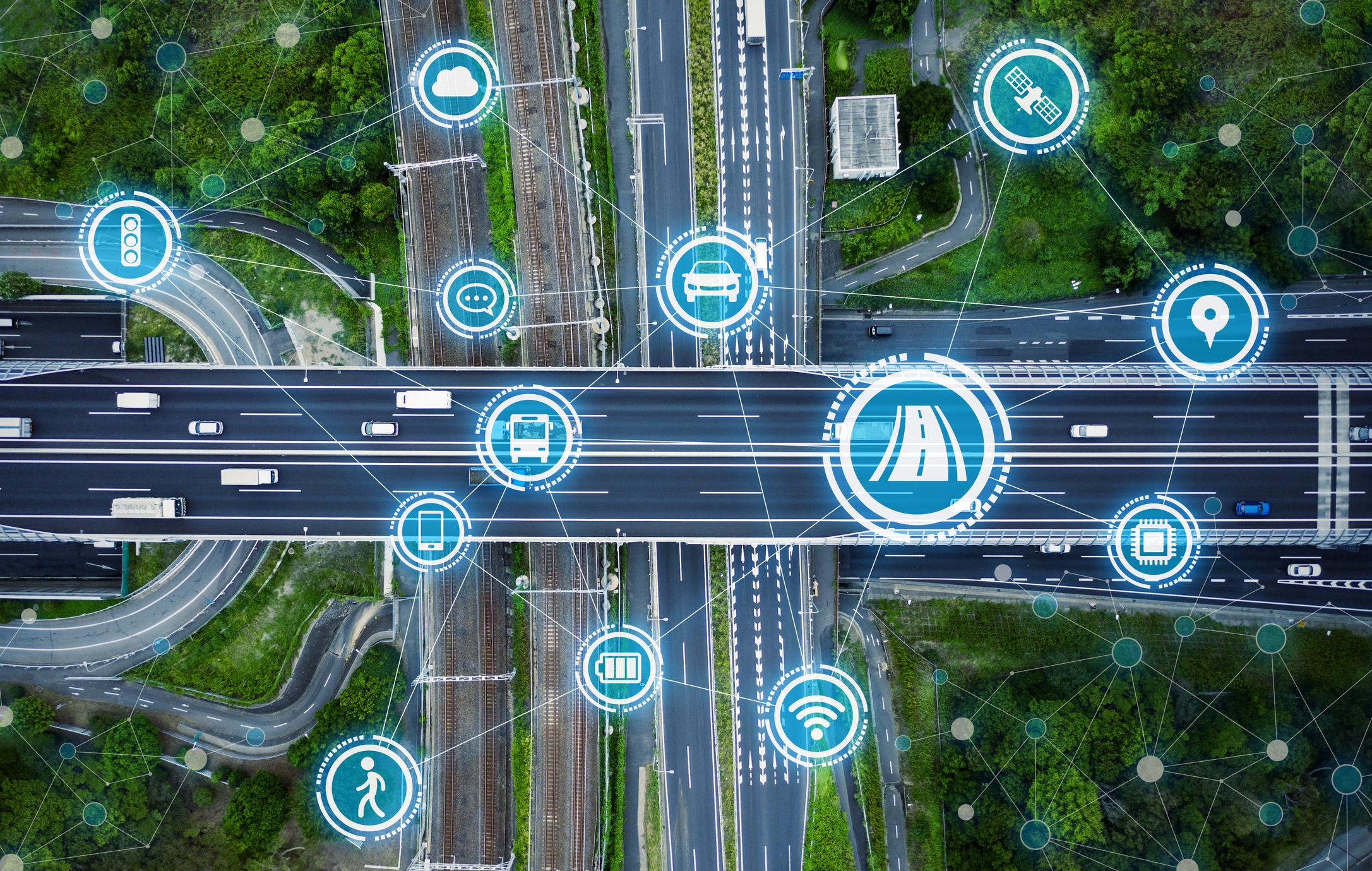
Smart transportation and smart city traffic management are revolutionizing how cities approach mobility and emergency response, while reducing congestion on city streets. How? With sensors, advanced communication technologies, automation and high-speed networks.

Smart Buildings

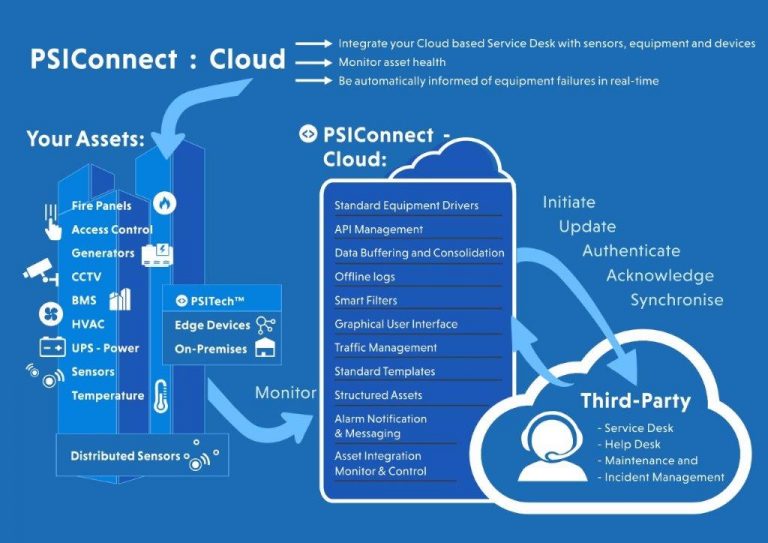
There is growing need from building managers to drive efficiencies and deliver a new kind of work environment. Using IoT technology is ideally suited to provide and improve the operation of a building beyond the management of PSIM and HVAC.